Dialing In Our Gear for the PCT: What We Learned, What We Changed, and Why for 2026
- Turtle
- Dec 7, 2025
- 4 min read
Updated: Dec 8, 2025
If there’s one thing everyone knows about me, it’s that I’m a researcher to my core. Before our 2020 Pacific Crest Trail hike, I spent hours—okay, months—deep-diving into gear lists, reviews, YouTube rabbit holes, and obscure backpacking forums trying to find the best setup we could afford for the three of us. And honestly? We did pretty great.
But six months on trail teaches you things no amount of online research ever could.
We learned what we loved, what drove us absolutely nuts, and what we tolerated simply because we didn’t know any better yet. Now, as we gear up for our next PCT adventure, we’ve made a handful of intentional upgrades—each one chosen to boost efficiency, comfort, and overall enjoyment. We’re not ultralighters, but we’ve refined our gear to support our version of comfortable, sustainable hiking.
A New Shelter: Zpacks Triplex → Zpacks Trio
Our Triplex served us well in 2020, but we always felt a little too close to the fabric—either above our faces or brushing our feet. Condensation and frozen tent walls didn’t help either.
So this time, we switched to the new Zpacks Trio.
The idea? More space where it matters, better airflow, and (hopefully) less waking up to an icy tent interior. If this tent gives us even a small reduction in condensation, that’s a big quality-of-life win for very little extra ounces.
Pack Upgrade: SWD Long Haul → ULA Equipment Circuit
Our packs had seen it all—1,200 miles on the PCT plus countless trips since—so it was time.
We knew we wanted:
X-Pac material
A slightly larger, more comfortable harness
A pack that’s proven but not overbuilt
Enter the ULA Circuit.
We also added the Gossamer Gear Handsfree Umbrella Clamp, hoping it will make sun protection (and light rain!) a little easier to manage while still keeping our hands free.
Better Sleep: NeoAir Xlite → NeoAir XTherm MAX
Sleep is everything on trail. If you sleep well, you hike well. If you don’t, everything else is harder.
Our Xlites were reliable but narrow, which meant lots of sleeping with arms crossed awkwardly over our chests. The XTherm MAX costs us a bit more floor space inside the tent, but the payoff is huge:
more room to lie on our backs
warmer nights
less tossing and turning
Warmth = better recovery = better days.
Fuel Problem Solved: AlpenFlow Fuel Transfer Valve
We finally got tired of carrying multiple half-empty canisters “just in case,” and not wanting to waste them. The AlpenFlow fuel transfer valve solves that problem for only 0.1 oz. It lets us consolidate fuel so we carry exactly what we need without the clutter. Simple, smart, effective.
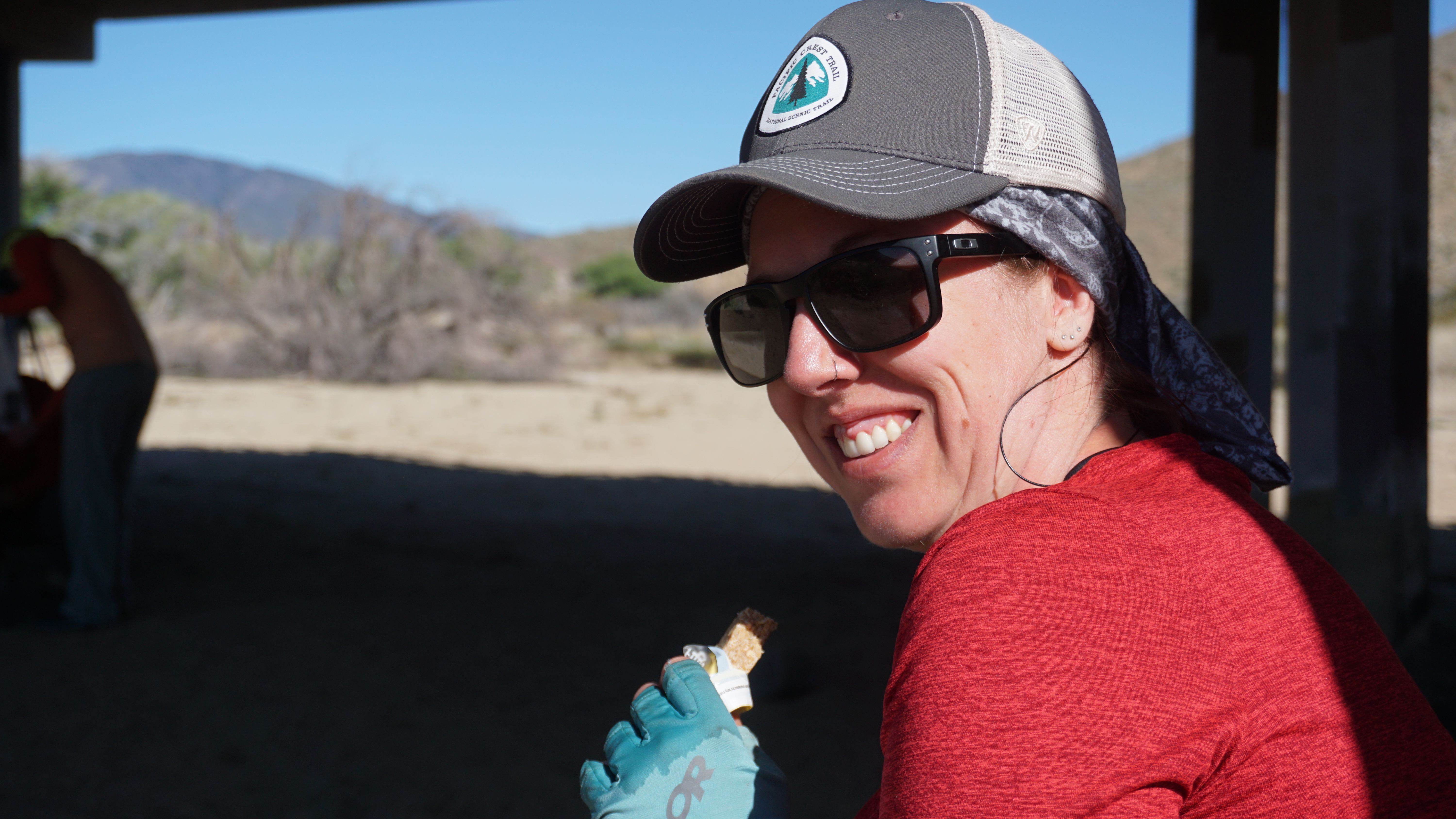
Sunshirts: From Mountain Hardwear Butterlicious to OR ActiveIce
We loved the vibe of our Mountain Hardwear Butterlicious shirts…but not the weight or the loud, obnoxious colors. They just weren’t ideal for long-distance hiking.
We swapped to the Outdoor Research ActiveIce Spectrum Sun Hoodie, which is:
lighter
more breathable
much more comfortable in the heat
far less likely to blind someone with neon 😛
Underwear & Bras: ExOfficio → Icebreaker + Branwyn
I updated my base layers where it matters most—underwear and bras. The Icebreaker options should feel better day to day, breathe better, and stay fresh longer, and I added an extra Branwyn sports bra for a bit more comfort on rotation.
Water Shoes: LRun → Aqurun
Our old LRun water shoes were thin—so thin they hurt on rocky or paved surfaces.
Then on a trip to Dubai, when we realized we couldn’t walk around a waterpark without something on our feet, we bought Aqurun Unisex Swim/Water Walking Shoes out of desperation. Yes, they were ridiculously overpriced there—but also? Life changing.
Now we love them as camp shoes and water-crossing shoes. Comfortable, protective, and sturdy.
Sleep Layers: Heavy Smartwool → 32 Degrees Lightweight Layers
In 2020, I carried heavy Smartwool layers mostly for sleeping. But I found that my body just couldn’t warm in my quilt effectively unless I had something lightweight that heat could move through.
This time, I’m going with 32 Degrees lightweight base layers—long sleeve top and sleep pants.While I love 32 Degrees (one of my favorite brands ever), most of their pieces won’t hold up to trail sweat, dirt, or intense washing. But for sleep clothes only, they’re perfect: light, soft, warm enough, and surprisingly cozy.
Shorts: Nike Running Shorts → Danskin 7" Active Bike Shorts
One of the last adjustments was switching shorts. As a girl with curves, chafing is very real, and on a long hike, it can turn every step into pain.
I swapped my Nike running shorts for Danskin 7" Active bike shorts, and the difference is huge—more coverage, more comfort, and no more thigh-chafing meltdown moments.
The Bottom Line
Every gear change was intentional. Not because our old gear failed us—it got us through some of the most incredible months of our lives—but because we’ve learned what we truly need out there:
comfort
reliability
efficiency
and small luxuries that make big differences
I’m still the same obsessive researcher I was before our first hike. The difference now is that I have six months of lived experience to pair with all those hours of reading. Our list works for us, and when it doesn't, we adapt. Make sure that you give real thought to what your needs and capabilities are. And I can’t wait to see how this new setup carries us through the next chapter of the PCT.


Comments